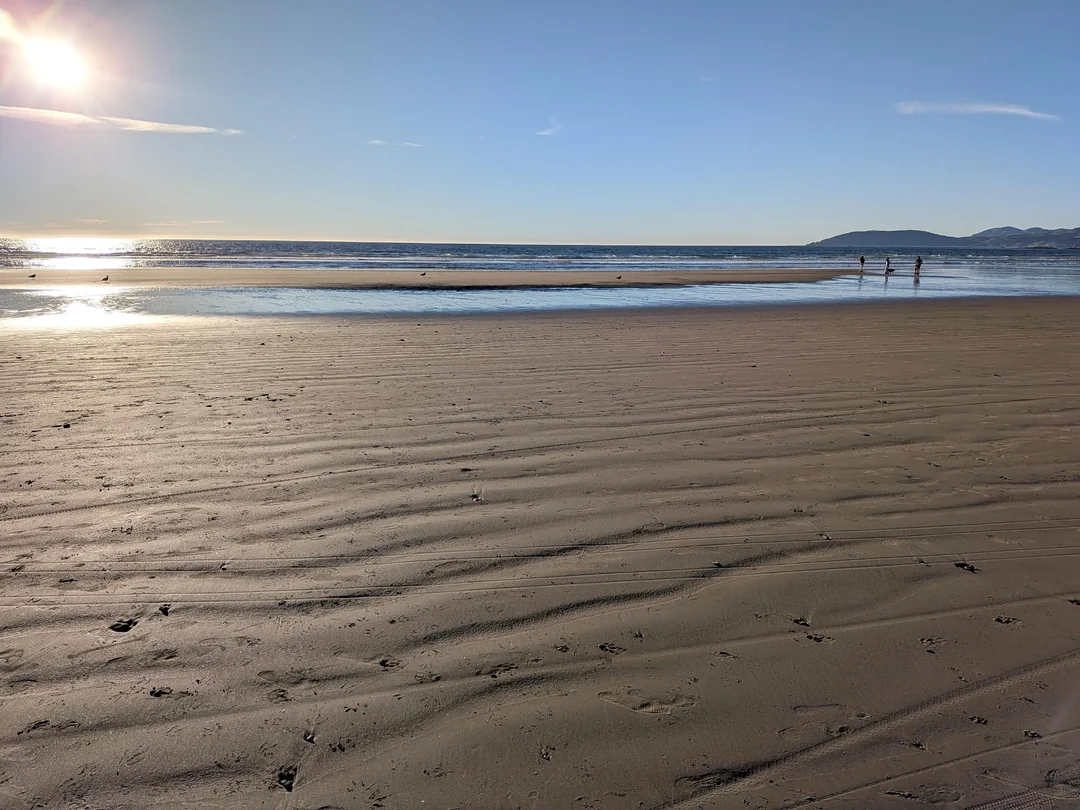
Pismo Beach is a working ocean. The same conditions that make it productive for clamming — broad shallow surf, exposed beach at low tide, mixing currents that feed filter-feeding bivalves — also create the two principal hazards a clammer must respect: marine biotoxins in the harvest, and the ocean itself at the harvester’s back.
Both hazards are well-understood and well-monitored. Neither should keep anyone away from the beach. Both deserve serious attention before each trip.
Biotoxin Information
Pismo clams are filter feeders. They draw seawater through their bodies to capture diatoms, algae, and plankton, and they take in whatever is in the water along with their food. When certain microscopic algae bloom in coastal waters, those algae produce neurotoxins. The clam is unaffected; the human who eats the clam is not.
Two such toxins are of concern in California waters:
Paralytic Shellfish Poisoning (PSP)
Produced by single-celled dinoflagellates of the genus Alexandrium. PSP toxins are powerful nerve poisons. Symptoms appear within minutes to a few hours after eating contaminated shellfish: tingling and numbness of the lips, tongue, and fingertips, followed by loss of balance, lack of muscular coordination, and slurred speech. In severe cases, complete muscular paralysis and death from respiratory failure can occur. Anyone experiencing these symptoms after eating shellfish should seek emergency medical care immediately.
Domoic Acid (Amnesic Shellfish Poisoning)
Produced by diatoms of the genus Pseudo-nitzschia. Symptoms typically begin within thirty minutes to twenty-four hours and may include vomiting, diarrhea, abdominal cramps, headache, and dizziness. In severe cases the toxin causes seizures, cardiovascular instability, and permanent short-term memory loss — the condition for which it is named — and can be fatal.
Cooking does not destroy these toxins
This is the most important fact on this page. Both PSP toxins and domoic acid are heat-stable. Boiling, frying, baking, smoking, drying, freezing, and pickling all leave the toxins fully active. Toxic shellfish look, smell, and taste normal. There is no test the harvester can perform at home; there is no preparation that makes a contaminated clam safe.
When biotoxin events occur
Biotoxin-producing blooms occur most often in the warmer months, but they can occur at any time of year. The California Department of Public Health monitors year-round and issues advisories whenever toxin levels rise. The current state of biotoxin advisories statewide is what the hotline reports — checking it before each consumption is the only reliable practice.
Red tide does not equal toxicity
A persistent public misconception is that visible "red tide" warns of unsafe shellfish. According to CDPH: most red tides are harmless, the toxin-producing organisms do not generally cause red tides, and the absence of a red tide does not mean shellfish are safe to eat. The visual cue cannot be trusted. The only reliable test is the State’s ongoing laboratory monitoring of shellfish samples from beaches up and down the coast.
The CDPH monitoring program
The California Department of Public Health operates a continuous, statewide marine biotoxin monitoring program. Shellfish samples are collected and analyzed regularly along the coast, and the results inform the State’s health advisories and quarantines. This is taxpayer-funded science that exists specifically to keep recreational harvesters safe; using it before each trip is the only responsible practice.
California Biotoxin Information Hotline
Before consuming any recreationally-harvested shellfish from California waters, check current advisories. The CDPH hotline is updated as needed with current quarantines, health advisories, and biotoxin alerts:
The line is toll-free, recorded, and updated whenever conditions change. The recorded message reports active warnings statewide.
The CDPH also maintains:
- An interactive Recreational Shellfish Advisory Map showing current biotoxin status by location
- A comprehensive Shellfish Safety resource page with current advisories and educational material
Ocean Safety
Pismo Beach varies dramatically in surf intensity. Some days the surf is nearly flat, with gentle wash and long, slow rollers. Other days, particularly during winter swells, the same beach delivers heavy waves that crash hard and reach far up the sand. The clammer arriving for a low-tide window may find either, and conditions can change within a single session as the tide turns.
Most ocean-related incidents at Pismo do not happen because the clammer underestimated big surf. They happen on calm-looking days, when the clammer’s attention has shifted entirely to the work in the sand and a single larger-than-expected wave arrives unannounced. The danger is distraction.
Don’t turn your back to the ocean.
Don’t take your eye off the ocean.
These rules sound the same. They are not. Standing sideways or facing the water still satisfies the first; the second requires that the clammer remain visually attentive even while working — glancing back to the ocean every few seconds, watching the wave train, noting changes in cadence or height. The work itself is absorbing, especially when clams are striking the fork. That is precisely when the rule matters most.
Sleeper waves
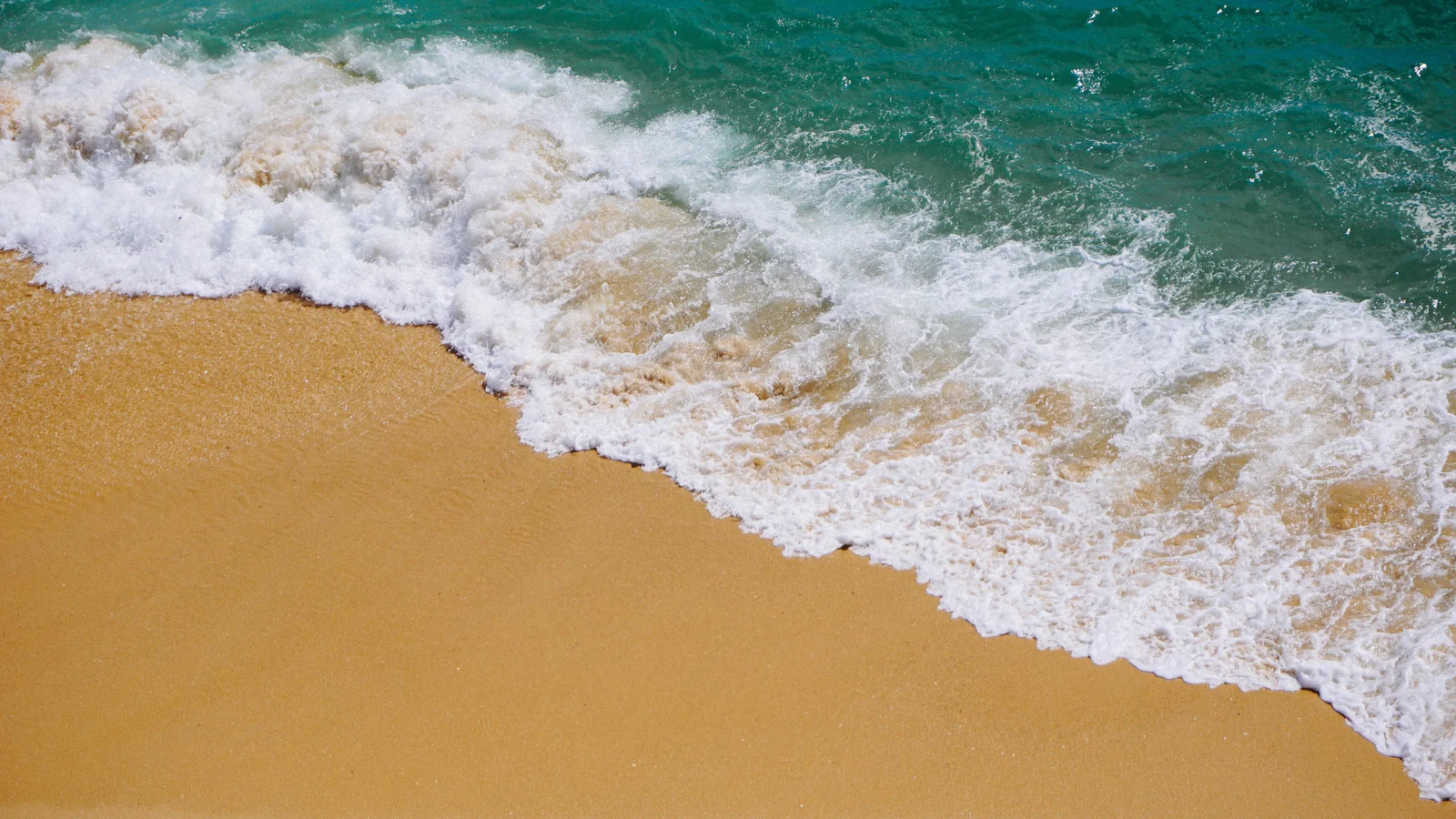
The Pacific generates occasional waves substantially larger than the surrounding set — "sleeper" or "sneaker" waves. These can arrive on calm days. They run higher up the beach than the recent waves have been running, and they catch unprepared people from behind. Pismo’s broad, gently-sloped sand allows water to travel a long way up the beach with surprising force; sixty feet of run-up from a sleeper wave is not unusual.
Cold water and immersion
Pacific water temperature off Pismo runs in the mid-fifties year-round. Most clammers working the shallow surf wear chest waders, which keep them dry and comfortable for a typical session. Clammers targeting the largest "king" clams in deeper water generally wear wetsuits, which allow longer, deeper work than waders permit.
Rip currents and shifting sand bars
California State Parks documents both rip currents and shifting sand bars along this stretch of coast. The sand bar geometry can change between visits and between tides. A spot that was a flat shelf one morning may have a deeper trough behind it the next. Walking carefully into the water and staying within depth control is the practical defense.
One Central Coast clammer recounts taking his wife to Pismo Beach for her first clamming trip. He gave her instructions on technique — how to walk along with the fork, how to read the strike of a clam through the tines — and the standard ocean-safety pep talk: don’t turn your back, don’t take your eye off the water.
In the excitement of the new experience and the focus required for the work, she became absorbed in what she was doing. A sleeper wave came in and knocked her onto her back. The water washed her sixty feet up the shore. As her husband chased after her she looked, in his account, both shocked and terrified at once.
She emerged unhurt — and fortunate in one specific way: when she lost control of her clam fork during the tumble, the fork washed away from her rather than toward her. A four-tined fork driven by surf energy is not a forgiving object.
The lesson is not to be afraid of the ocean. It is to respect it, and to keep paying attention to it even when the work is going well. Especially then.
Other practical considerations
- Mind the fork. A clam fork in the surf is a hazard to anyone within reach — including the person holding it. If a wave knocks the clammer off balance, the safer instinct is to drop the fork rather than hold onto it.
- Watch for vehicles on the southern beach. Driving is permitted on the sand at the Oceano Dunes State Vehicular Recreation Area south of Grand Avenue. OHVs and four-wheel-drive vehicles share the beach with pedestrians and clammers. Cars are slower to react than the ocean and equally indifferent to where someone is looking.
Check Conditions Before You Go
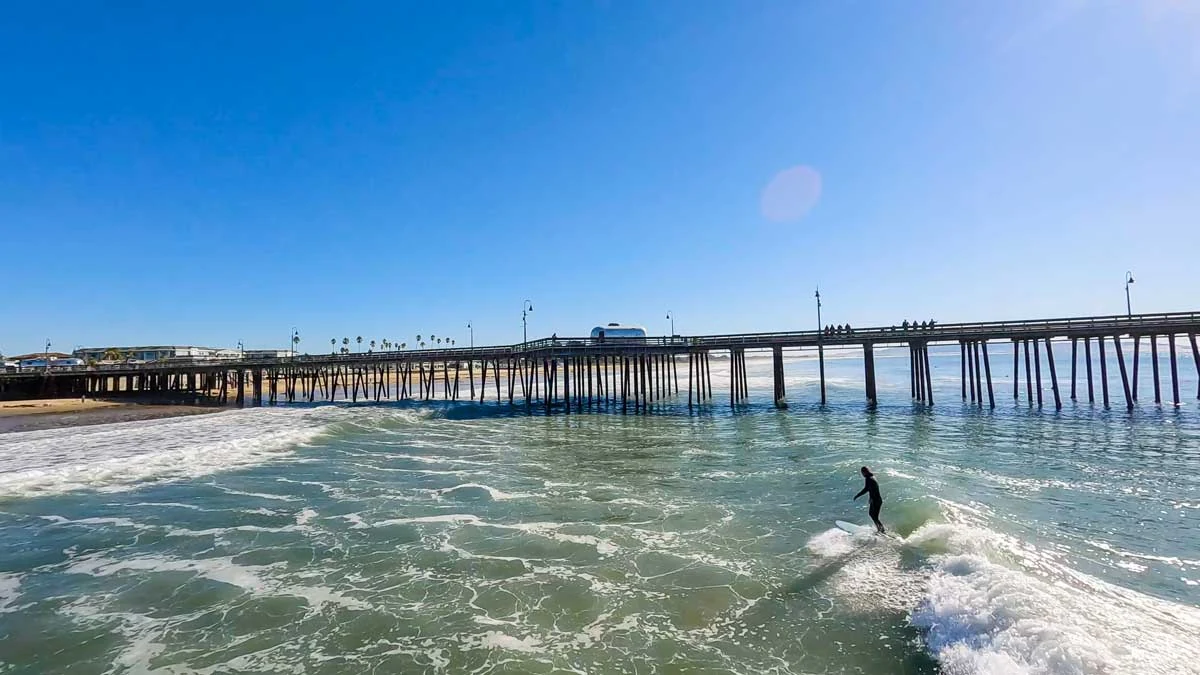
The most reliable way to assess Pismo Beach surf conditions in advance is to look at the live webcams and check the marine forecast. Several public cams point at the pier and the beach, sponsored by local hotels and the city visitors’ bureau.
The Tide Almanac on this site lists the daylight low tides suitable for clamming and pulls a seven-day weather forecast directly from the National Weather Service. For real-time observations, the cams above show what the surf is actually doing at this moment.